
The soul of Sherpa cooking
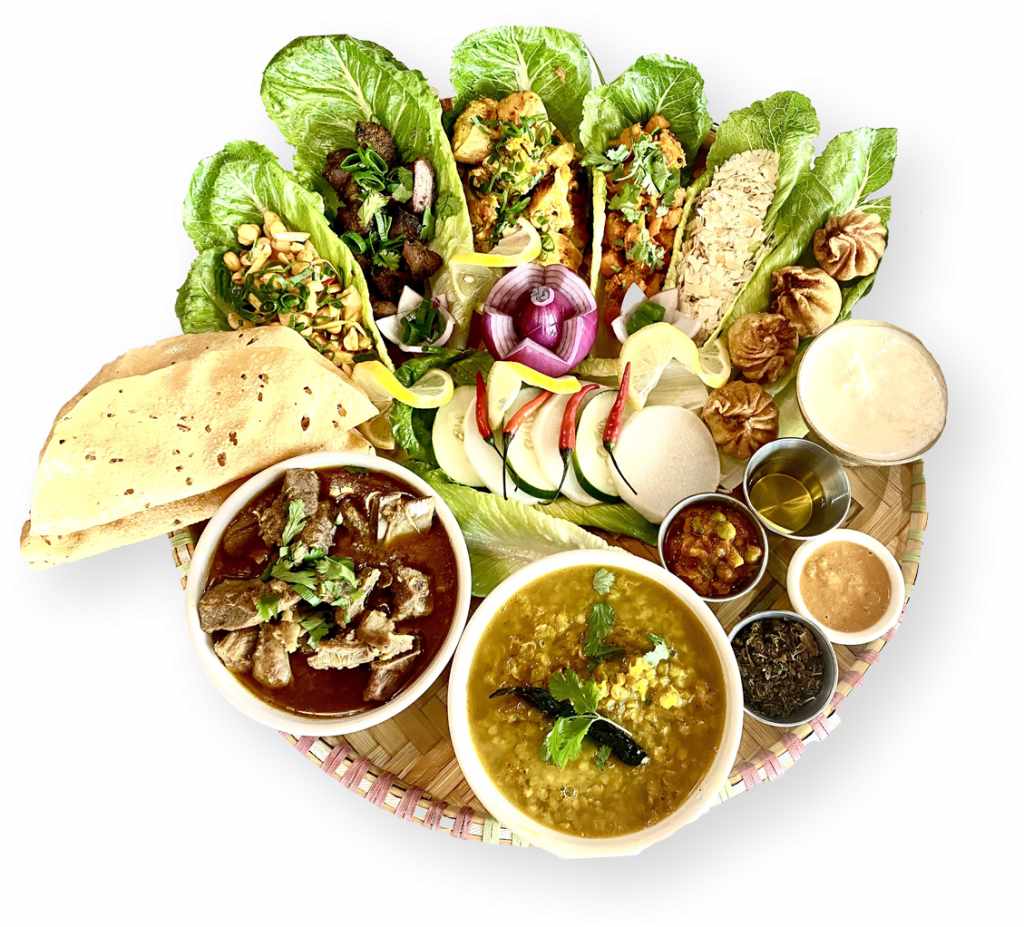
Sherpa cuisine is known for its comforting, soulful flavors that come from simple ingredients and carefully chosen spices. In the high Himalayas, herbs and spices are valued not just for taste, but also for their warming and medicinal qualities.
Everyday cooking relies on a core set of aromatics — ginger, garlic, onion, cumin, coriander, turmeric, and chilies — while special dishes may include wild Himalayan herbs like jimbu (aromatic leaf garlic) and timur (Sichuan pepper). These spices create depth without overwhelming the palate, letting the natural flavors of potatoes, grains, and vegetables shine in meals enjoyed across Scarborough, Toronto, and the GTA.
Core spices in Sherpa kitchens
In Sherpa households, the spice shelf is small but powerful. A few key ingredients show up again and again, forming the flavor backbone of dal, soups, stir-fries, and dumplings.
Ginger (aduwa) and garlic (lasun)
Fresh ginger and garlic are the starting point for many curries and soups. They’re sautéed in oil or butter to build aroma, then layered with other spices. Ginger adds warmth and brightness, while garlic brings depth and savory richness to dishes enjoyed in Toronto and beyond.
Cumin (jeera) and coriander (dhaniya)
Cumin seeds are often crackled in hot oil at the beginning of cooking to release their nutty scent. Ground coriander and cumin together form a gentle, earthy base for many vegetable and lentil dishes, supporting but never hiding the main ingredients.
Turmeric (besar / nyu nan)
Turmeric is used for its golden color and subtle bitterness, as well as its traditional reputation as a “cleanser of the body.” It appears in lentils, vegetable curries, and rice dishes, adding warmth and a gentle earthy note.
Chilies (khursani)
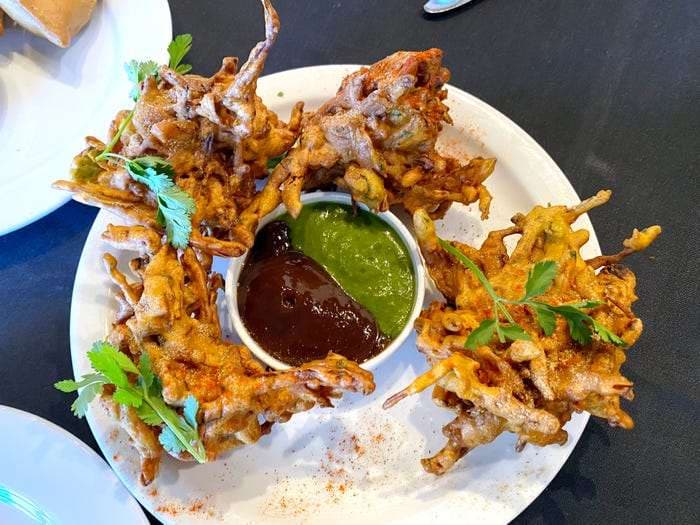
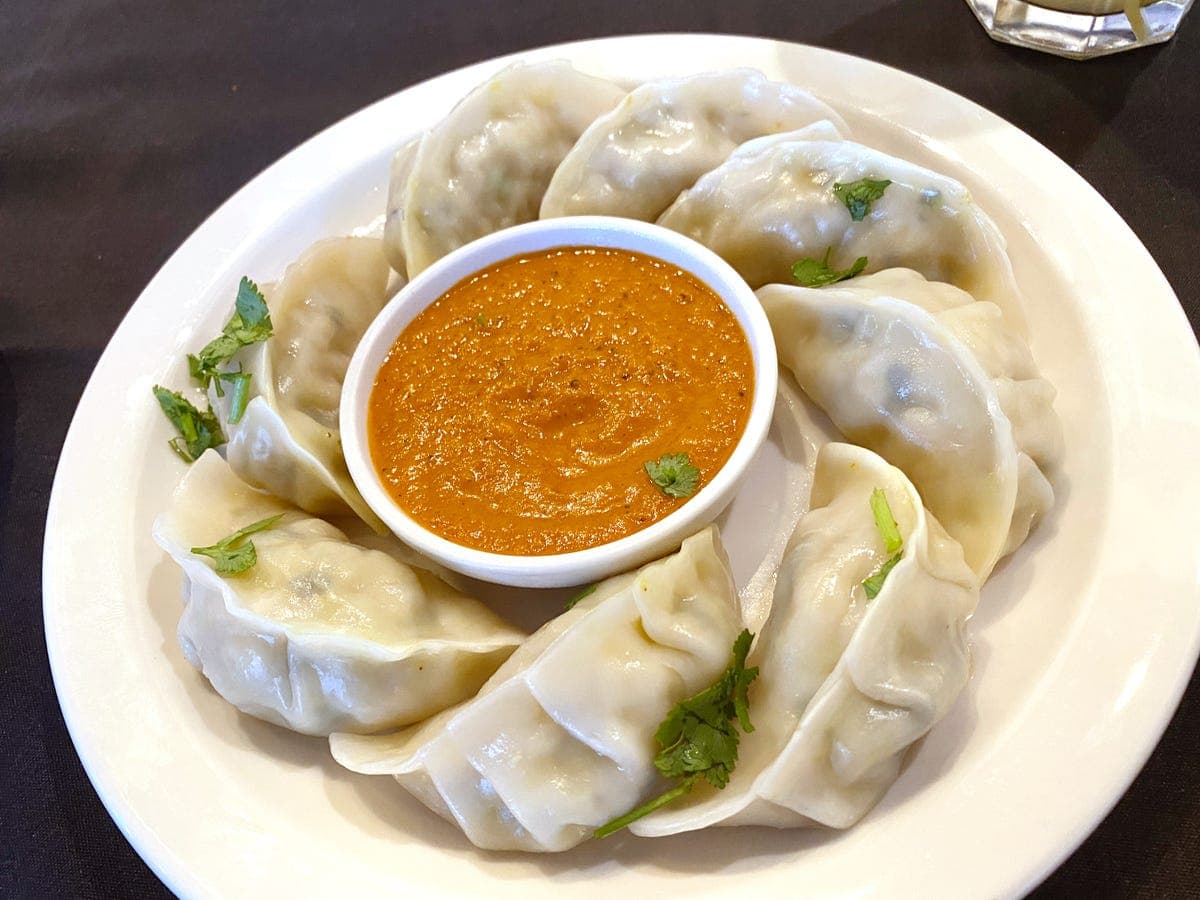
Fresh and dried chilies bring heat and brightness. In Sherpa cooking, heat is usually balanced rather than extreme, designed to warm the body in cold climates. Chilies also show up in achaar (pickles) and dipping sauces served alongside momo, riki kur, and other staples in the GTA.
Wild Himalayan herbs: jimbu, timur, and more
Beyond the everyday spices, Sherpa and other hilly cuisines make use of distinctive wild herbs that are hard to find outside the region. These give Himalayan food its unique signature in kitchens across Scarborough, Toronto, and the GTA.
Jimbu (aromatic leaf garlic)
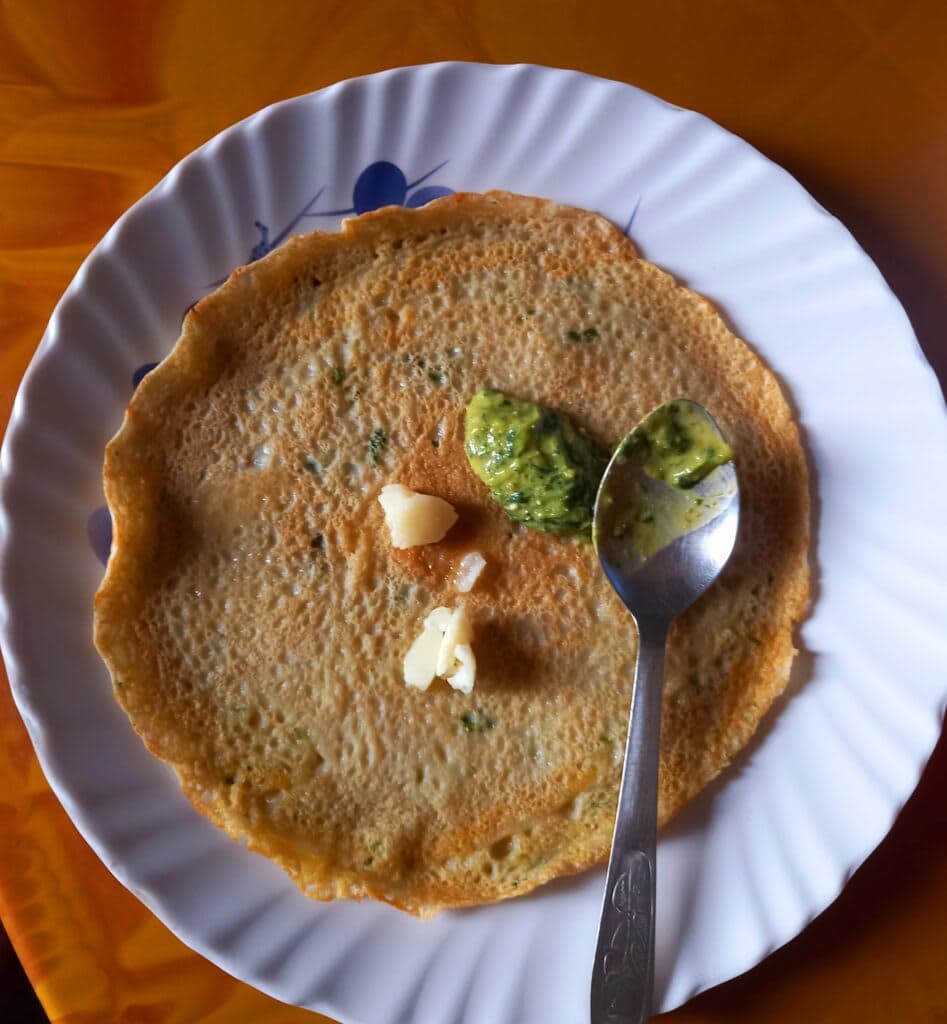
Jimbu is an aromatic allium with a strong, herbal garlic-onion scent. It’s often used to temper lentil dishes and curries, especially in Thakali and Sherpa cooking. When fried briefly in oil or ghee, jimbu releases an intense fragrance that lifts the whole pot.
Timur (Sichuan pepper)
Timur is not a true pepper but a berry that creates a tingling, citrusy sensation on the tongue. It adds a lively buzz and fresh aroma to meats, vegetables, and chutneys. A little goes a long way, and it’s often used alongside ginger and chilies for layered heat.
Garam masala and blends
Garam masala in Nepal is typically a blend of coriander, cumin, fenugreek, turmeric, cardamom, cinnamon, black pepper, bay leaf, clove, nutmeg, and mace. In Sherpa kitchens, such blends are used sparingly to enrich meat and festive dishes, balancing warmth, sweetness, and spice.
How to use Himalayan spices at home
You don’t need a large collection of spices to cook in a Sherpa-inspired way. Start with a small, versatile set and build from there — perfect for home cooks in Scarborough, Toronto, and the GTA.
Build a basic spice kit
A good starter kit includes: cumin seeds, ground coriander, turmeric, dried red chilies or chili powder, and fresh ginger and garlic. If you can find them, add timur and jimbu for a more authentically Himalayan profile.
Layer your spices
Begin by heating oil or butter, then add whole spices like cumin until they sizzle. Follow with ginger and garlic, then ground spices like turmeric and coriander. This order helps each spice bloom without burning, creating a deep, rounded flavor.
Use spices to support, not dominate
Sherpa cooking is about balance. Let potatoes, lentils, greens, and noodles remain the stars, using spices to add warmth and complexity. Taste as you go, and remember that a little chili or timur can change a dish dramatically.
Finish with fresh herbs and chilies
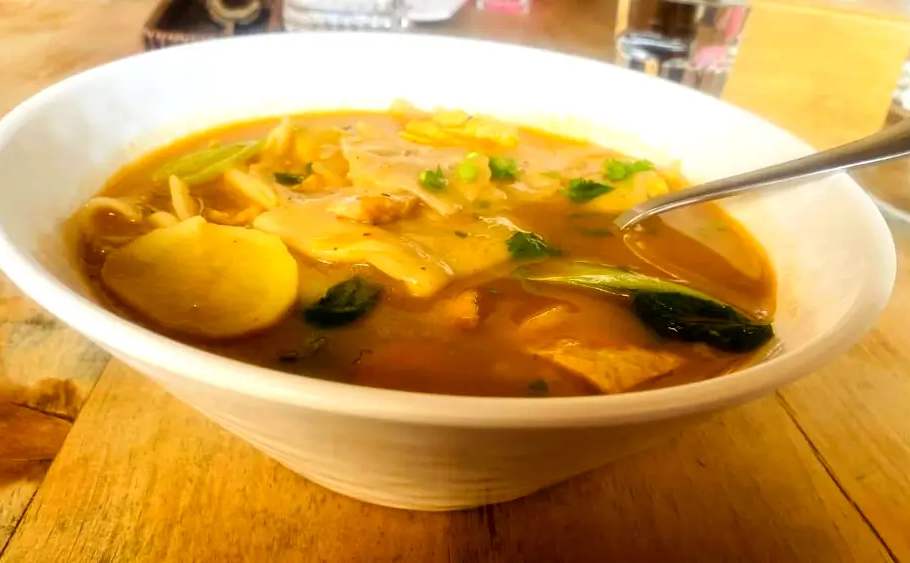
Chopped spring onions, cilantro, and fresh green chilies are common finishing touches. A spoonful of homemade achaar or a side of somar sauce can turn a simple dal or noodle soup into a full-flavored Himalayan meal at home in the GTA.
Finishing notes
The spices of the Himalayas tell a story of high-altitude life, where food must be warming, nourishing, and deeply satisfying. By understanding how Sherpa cooks use ginger, garlic, cumin, turmeric, chilies, and wild herbs like jimbu and timur, you can bring a piece of that mountain kitchen into your own home in Scarborough, Toronto, and beyond.
Start with simple dishes, taste often, and let these spices guide you toward your own version of Himalayan comfort food.